Pivoting between two piles of reading this evening: Origen on martyrdom to one side; articles/sources for a paper on Augustine’s De Trinitate to the other. So anyway, where’s the nearest desert?
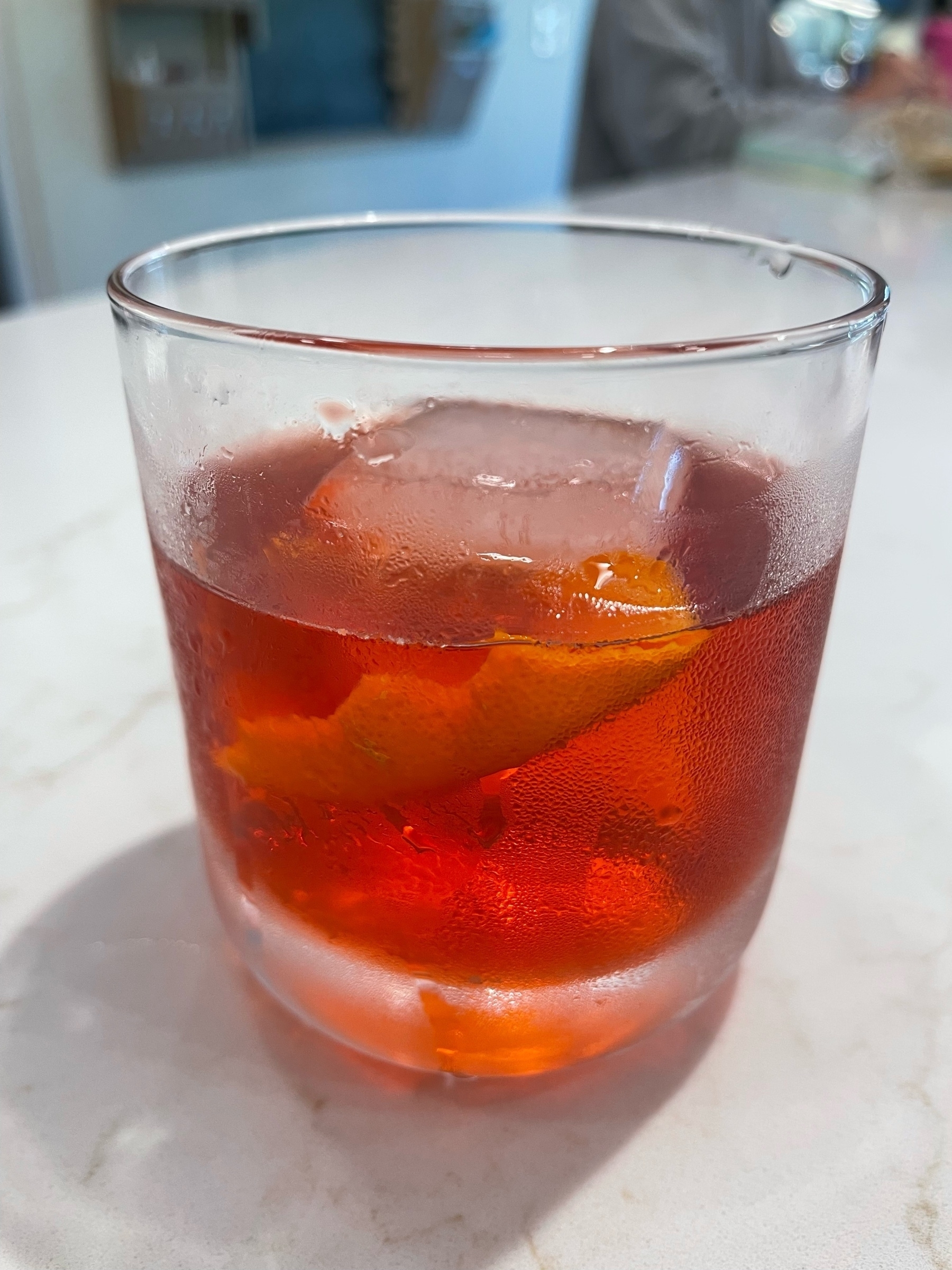
Today was a strong-cocktail-before-dinner sort of day. This is a Boulevardier, which is basically a Negroni with bourbon. Dinner is a cassoulet of Italian sausage, gnocchi, and copious amounts of the garlic we harvested.
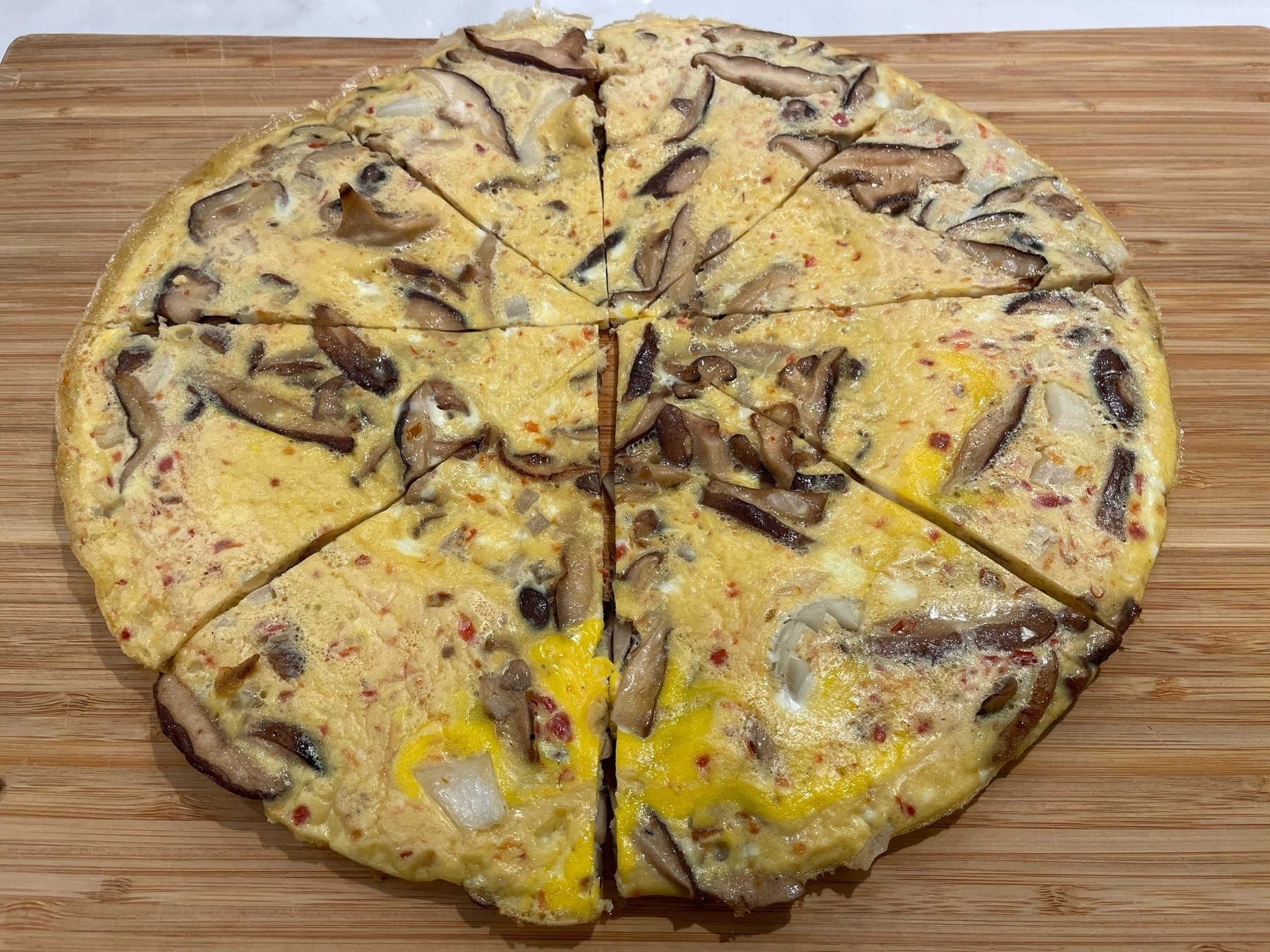
Tonight’s food pic is an Asian-style mushroom omelet, also from Milk Street. There’s supposed to be some green in there but we’re out of scallions and cilantro. :/
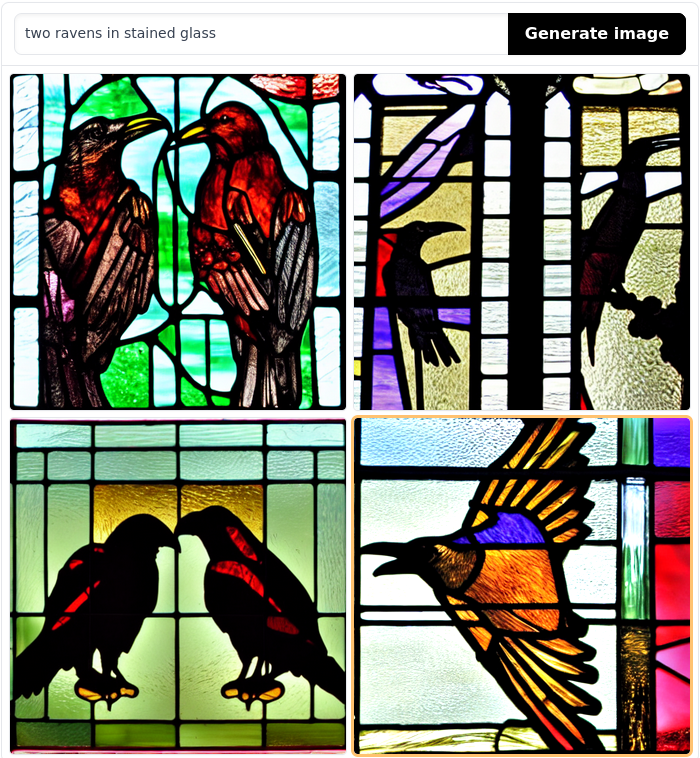
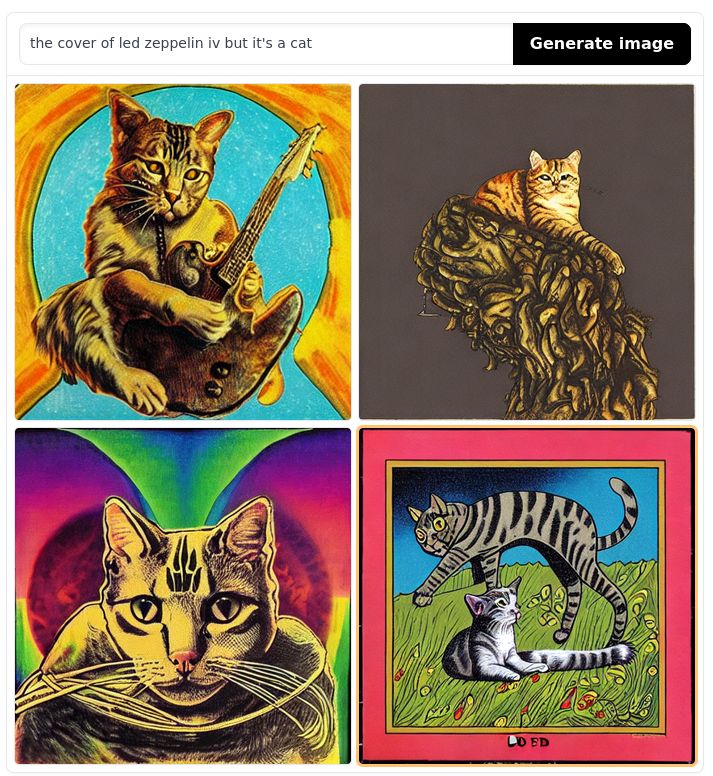
I should probably credit the website - both of these were generated by Stable Diffusion.
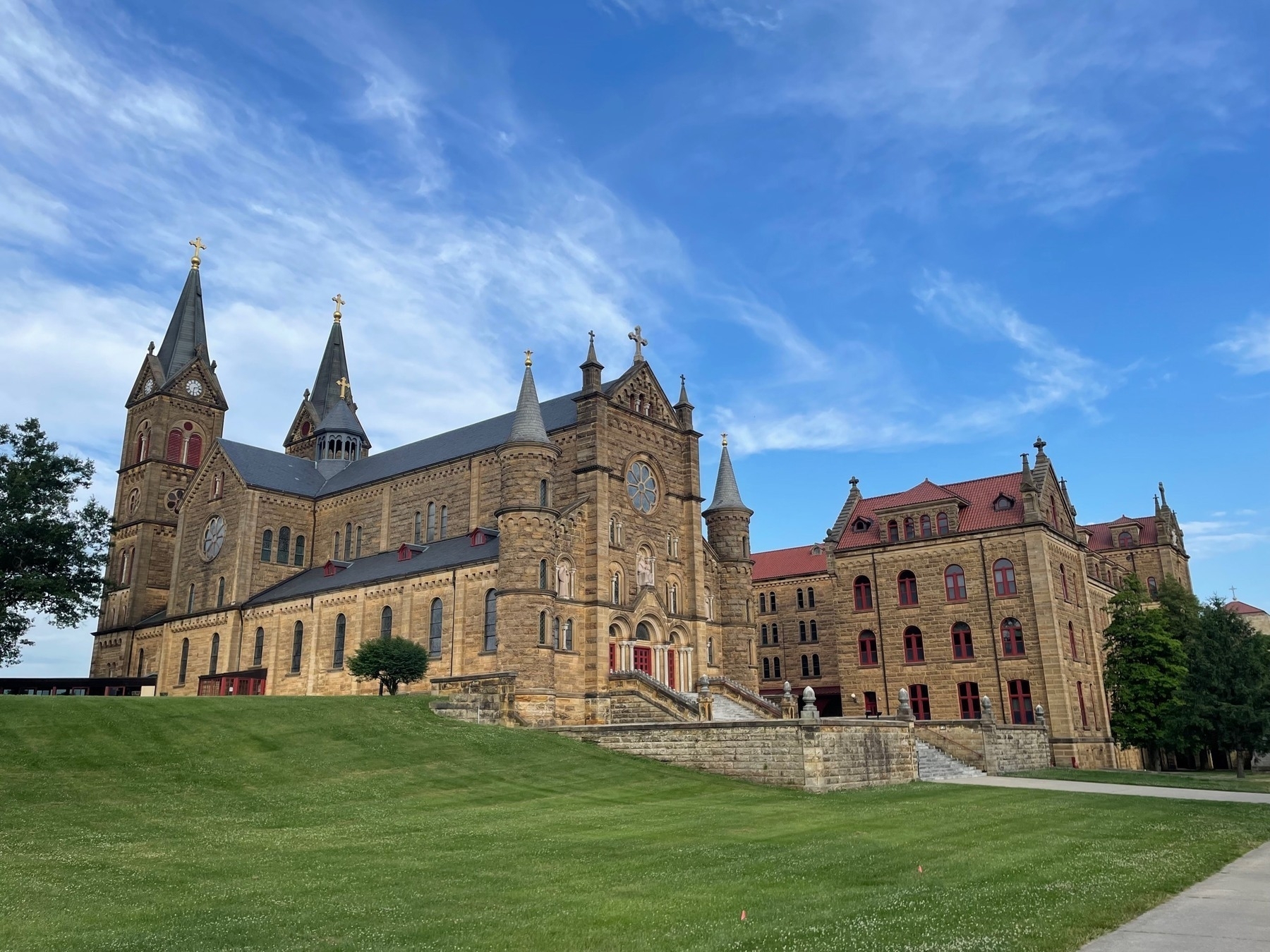
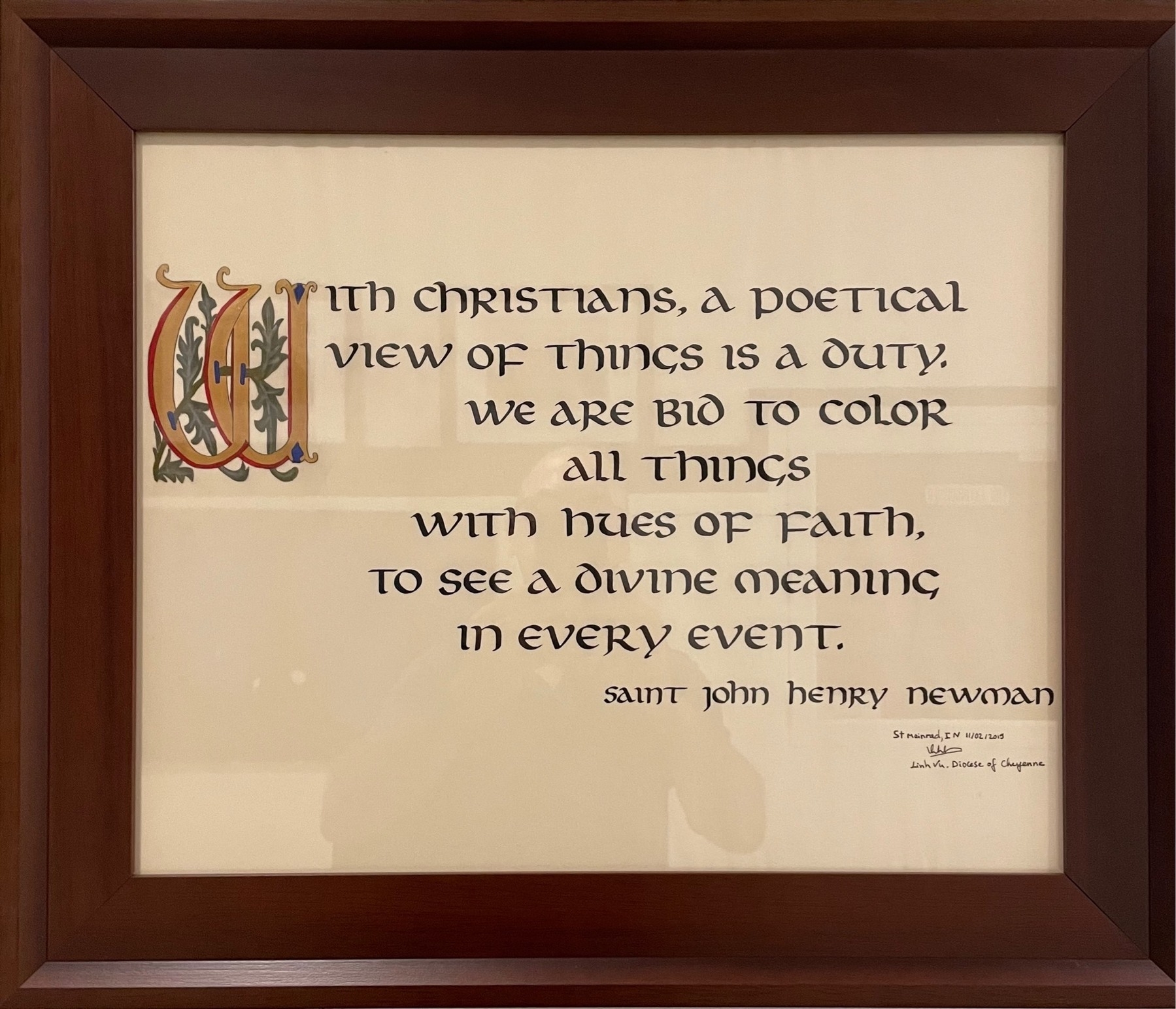
One more bit of AI-artwork in honor of St. Meinrad Archabbey. I also thought these turned out beautiful.
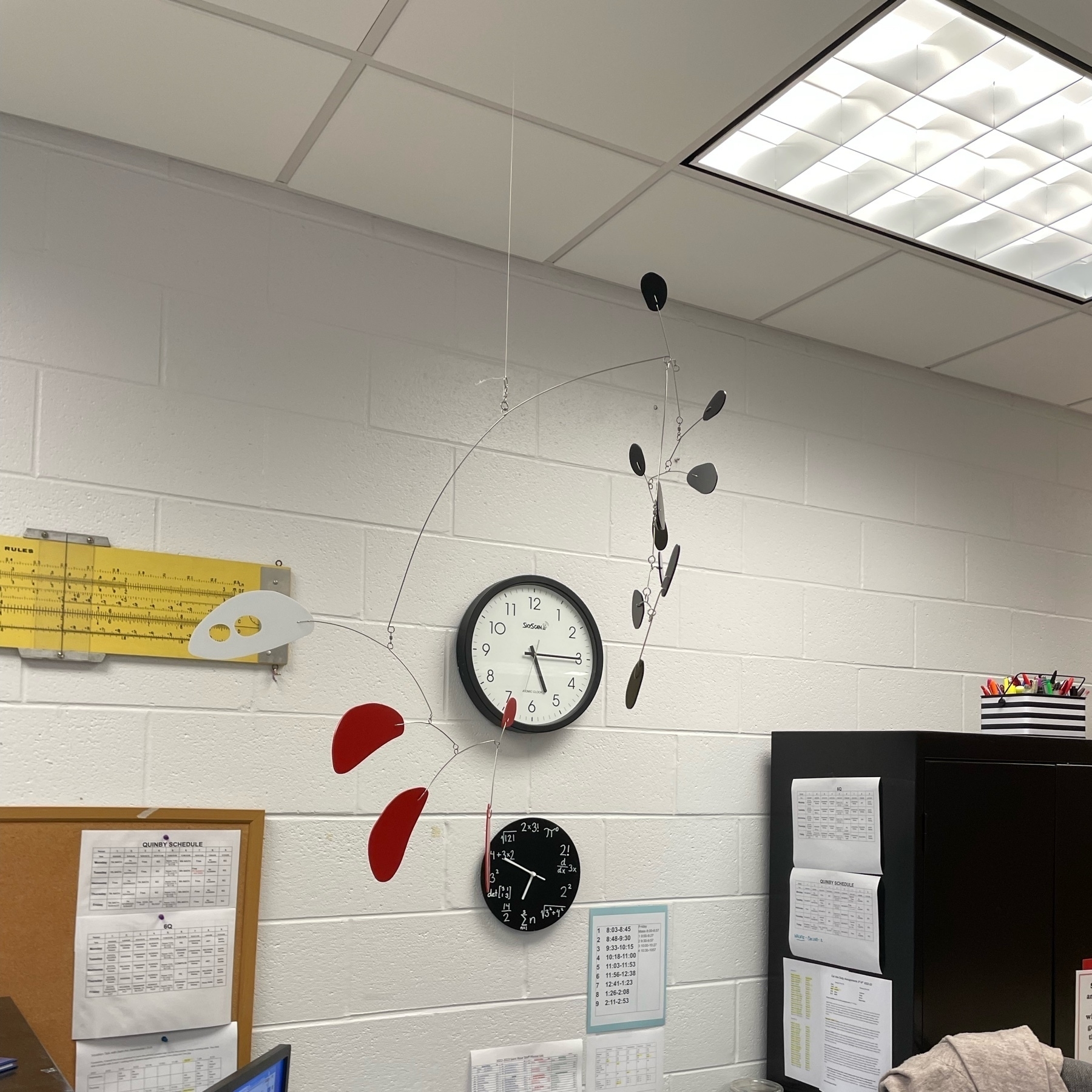
How much fun is a mobile in a math classroom? Too much! Too much fun! Beautiful artwork from #AtomicMobiles
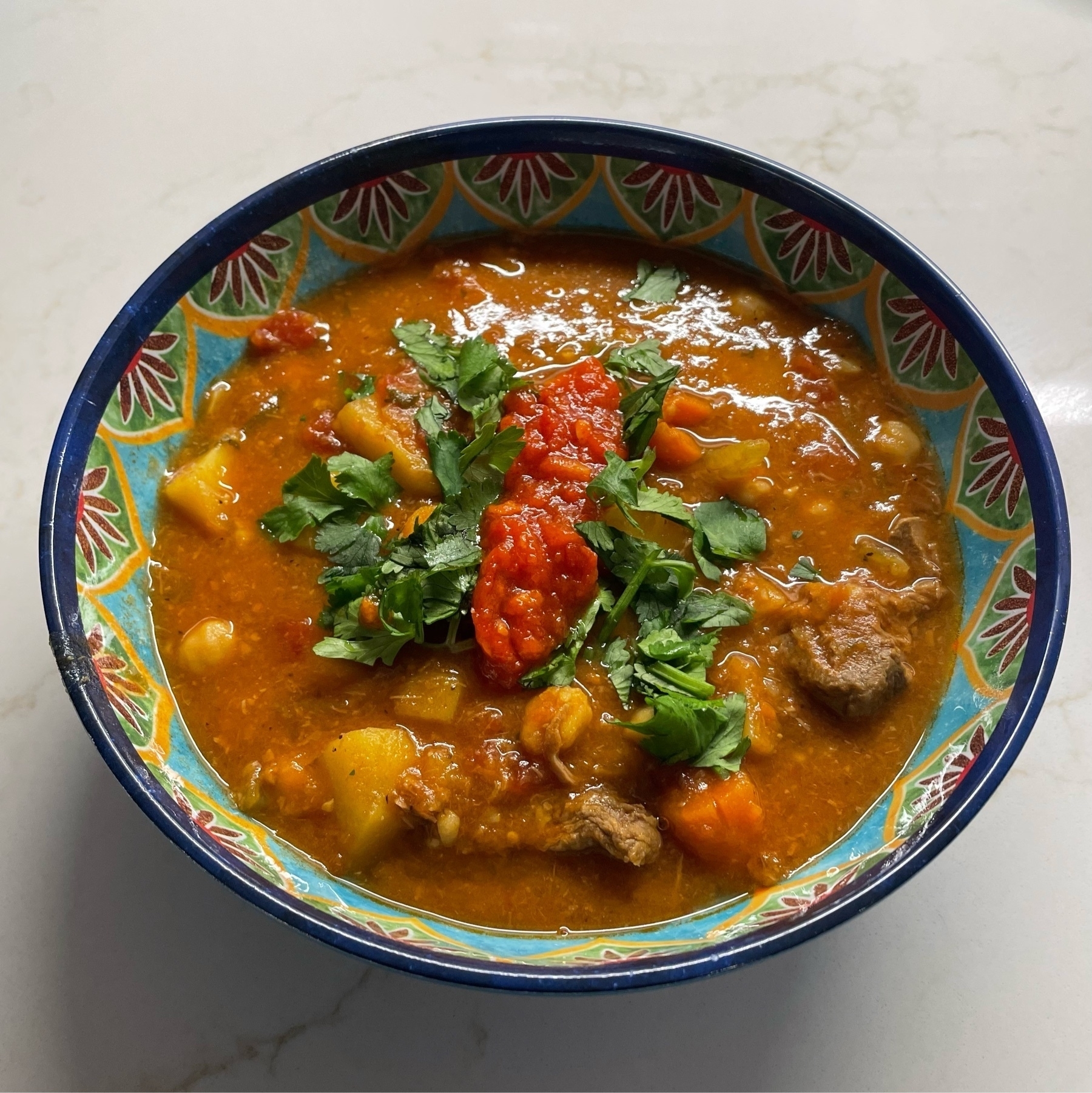
Having some fun in the kitchen as I’ve recently taken on main dinner duties. This is harira, a Moroccan beef and chickpea stew. The recipe was in the recent issue of Milk Street.
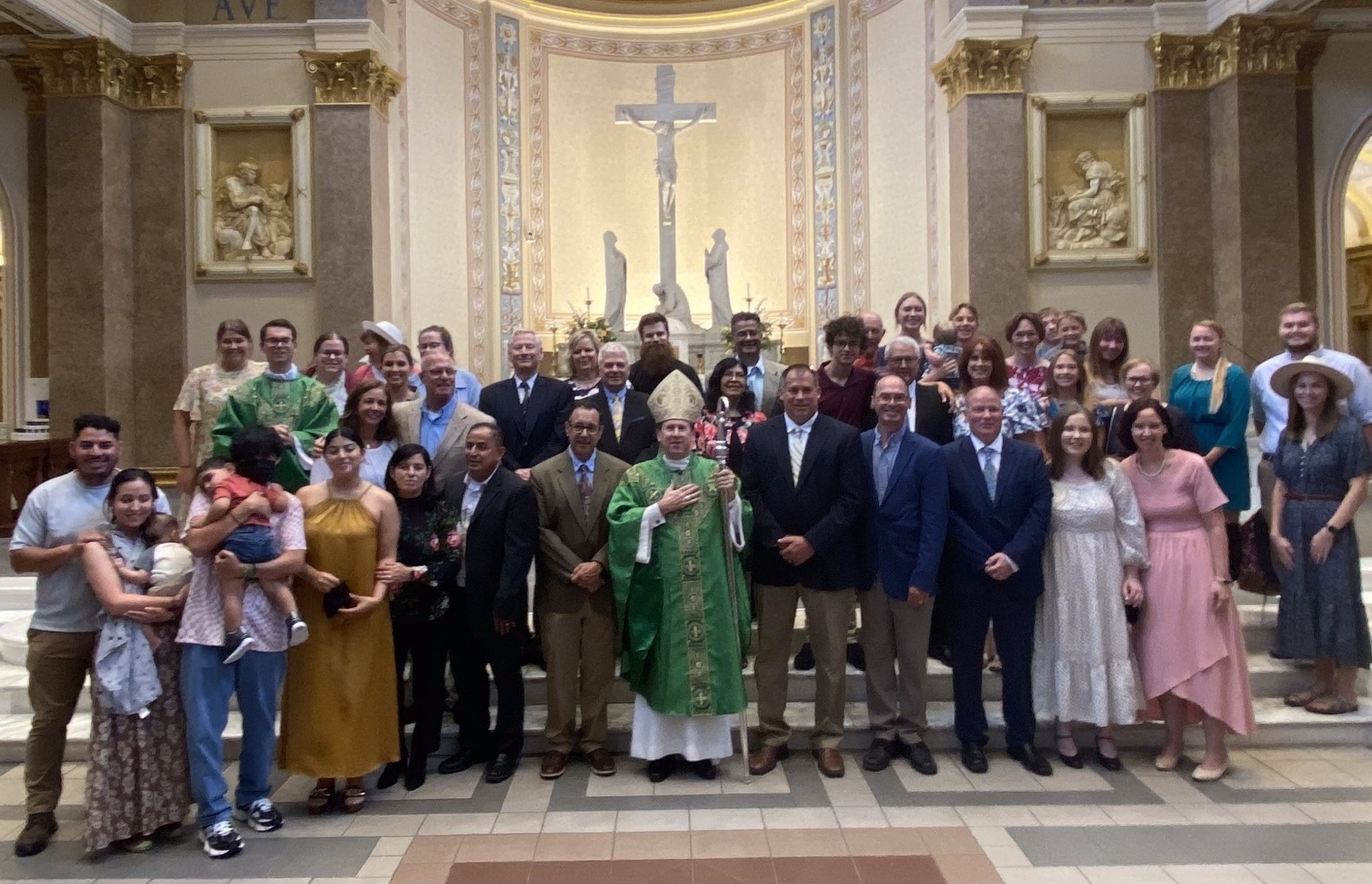
What a bunch we are! Beautiful Mass and an important step along this path. Can’t do it without the support of our families.
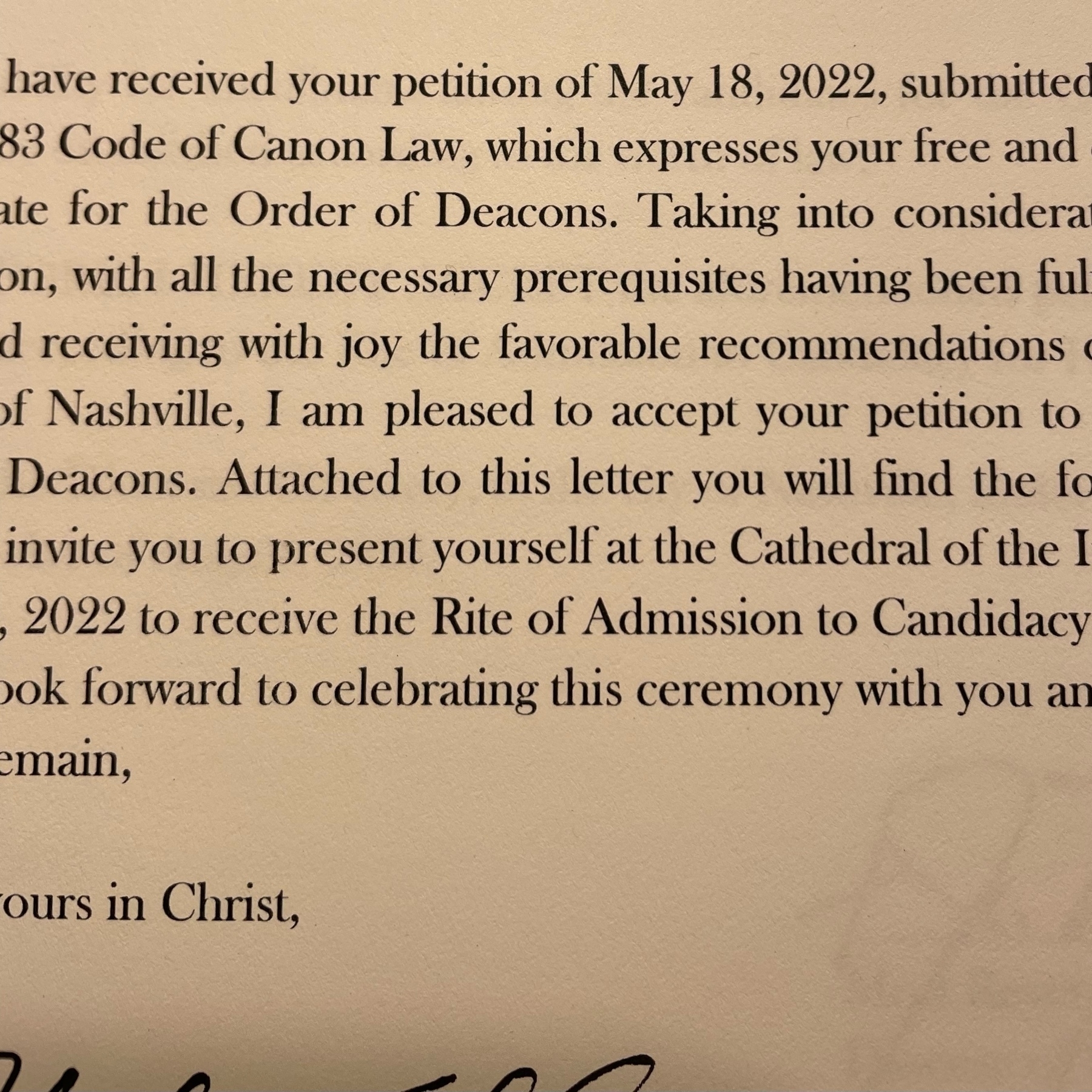
Breaking retreat silence to ask for your prayers - for me and all of the other men here with me likewise preparing for the Rite of Candidacy tomorrow!
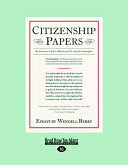
Currently reading: Citizenship Papers by Wendell Berry 📚
Currently reading: Understanding the Diaconate: Historical, Theological, and Sociological Foundations by W. Shawn McKnight 📚
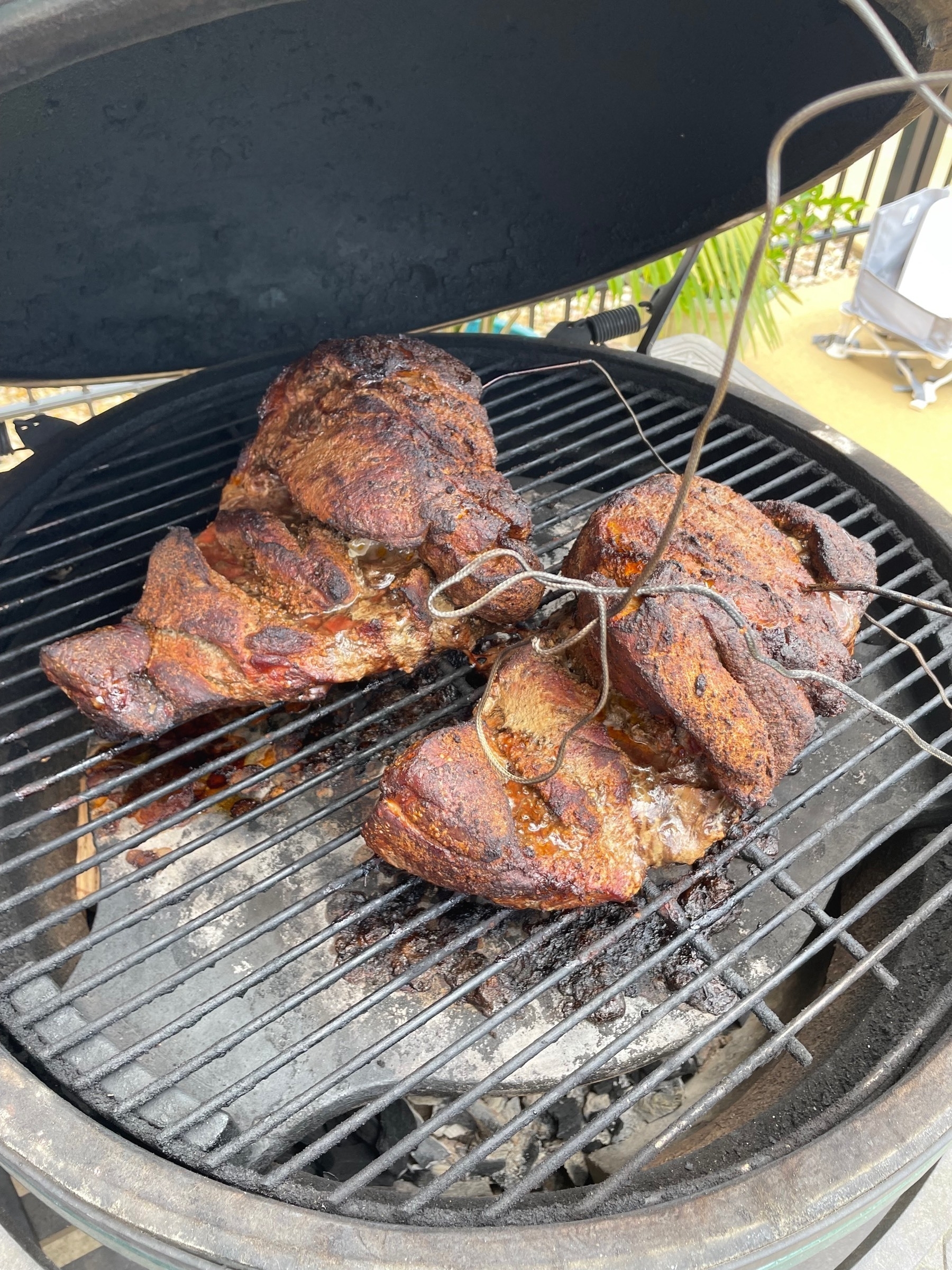
Enjoying a short summer break in classes before things pick up again in late August. There'll be a retreat that ends with our candidacy Mass, then we're back in the thick of it the weekend after. The shift from aspirant to candidate signals an end to the period of discernment even as we begin more intense study and practicums.
Accordingly, the booklists have landed, and here's what's on tap. First up is Early Church History, which I'll be doing online through most of the Fall:
- The Confessions, St. Augustine
- Early Christian Writings
- The Early Church, Chadwick
- On The Incarnation, St. Athanasius
- The Life of Antony and Letter to Marcellinus, St. Athanasius
-
Origen's basic writings
The in-person semester starts with Ministry of Deacon:
- The Deacon at Mass, Ditewig
- Theology of the Diaconate, Cummings, et al
-
The Deacon Reader, Keating
Neither of these lists includes the raft of articles and PDFs that have also been posted. For myself, I'm forcing myself into some downtime: catching up on some magazines, occasional video games (these days that means Vampire Survivors and Factorio), and I may even dust off the radio kit.
Mystagogy has wrapped up, so I'm going to pivot our neophytes into an 8-week bible study, portions of which we used when I was in class a couple of weeks ago. We tried to launch some small groups a few years ago, but Covid put an end to them about 2 weeks in. We've been trying to emphasize intentional discipleship these last few months. My prayer is that this group lectio will help us all to draw closer to Jesus, which is the essential prerequisite for...well, for basically everything else we do.
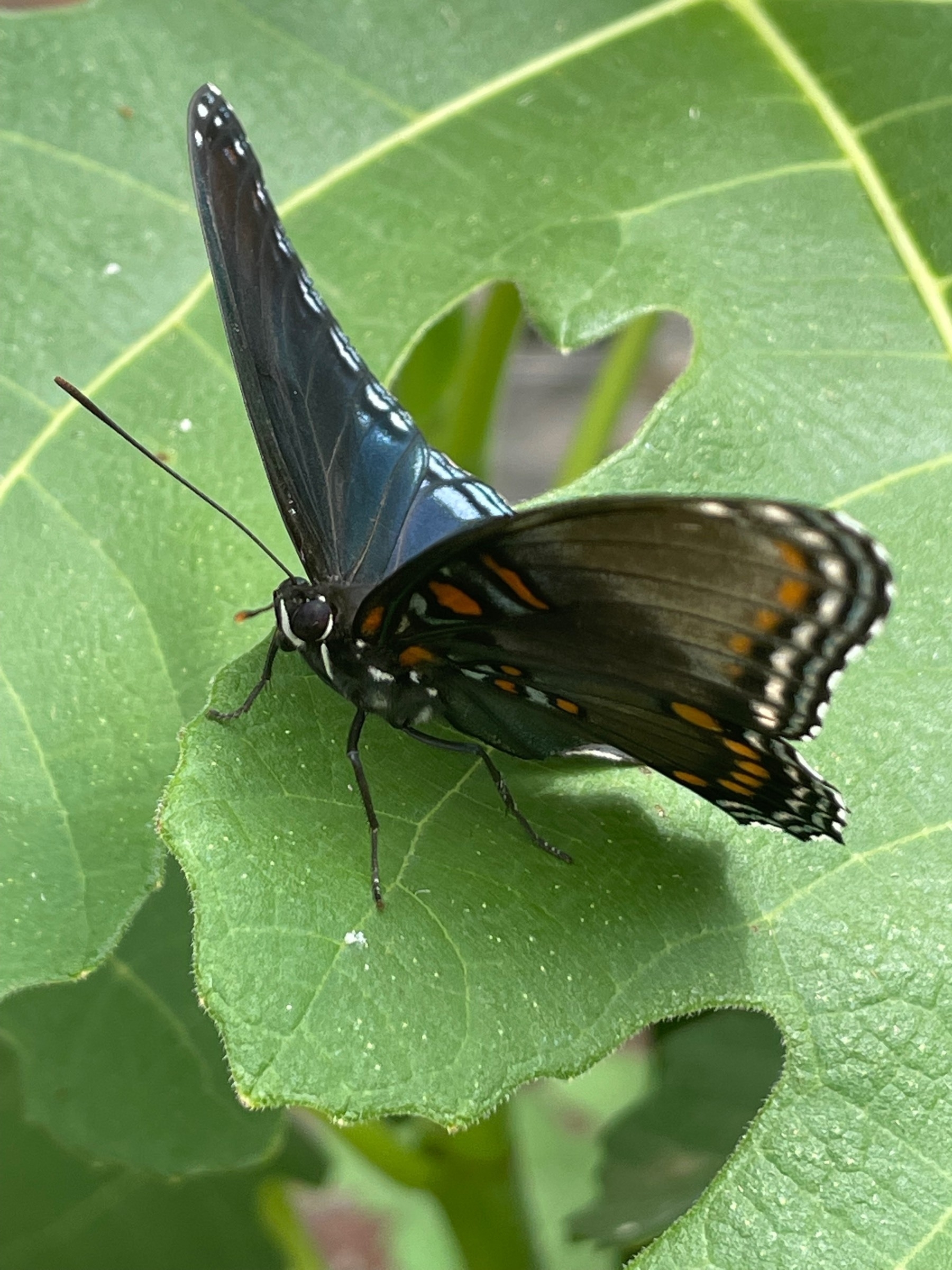
Currently reading: Ven Espíritu Creador: Meditaciones sobre el Veni Creator Prólogo de José Cardenal Ratzinger (Mística y Místicos) (Spanish Edition) by Raniero Cantalamesa 📚
Currently reading: The History of Black Catholics in the United States by Cyprian Davis 📚
Currently reading: On Earth as It Is in Heaven: Restoring God’s Vision of Race and Discipleship by Fr. Josh Johnson 📚
Currently reading: From Christendom to Apostolic Mission: Pastoral Strategies for an Apostolic Age by University of Mary 📚
Class is going well; we're covering a lot of ground but it's a small group (7 folks total), and Fr. Josh is a very engaging teacher. Having picked up a bit of SMA merch, I'll need to swear off any more visits to the bookstore. The to-read pile is fairly well set for the next few months. The gift shop, which is elsewhere (and too far to walk in this heat), is another matter. Will try to roll by there on the way out of town.

Currently reading: Tu palabra me da vida by Raniero Cantalamessa 📚