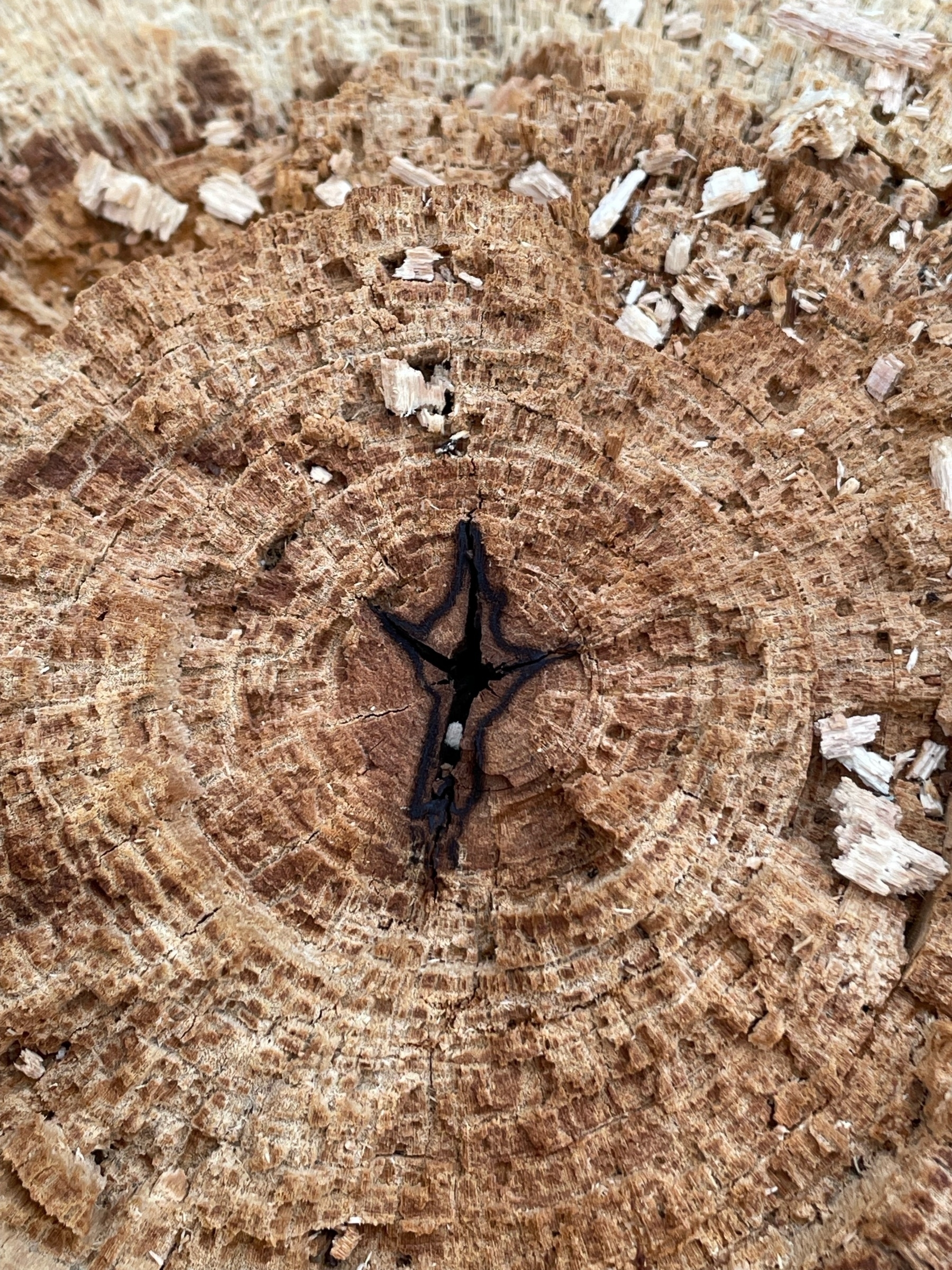
“A certain philosopher asked St. Anthony: Father, how can you be so happy when you are deprived of the consolation of books? Anthony replied: My book, O philosopher, is the nature of created things and any time I want to read the words of God, the book is ever before me.”

Into the Silent Land

This past weekend was a deep dive into the main themes of Christian spirituality, with a particular focus on contemplative prayer and lectio divina. Our instructor had us read Into the Silent Land by Father Martin Laird, and what a beautiful little book it is. I'm nearly finished with St. Gregory's Book of Pastoral Rule. I will be spending a portion of my ongoing time off working on a paper before pivoting to the predatory reading on next month's class on the sacred liturgy - Ratzinger's Spirit of the Liturgy, Martimort's The Church at Prayer, a grab bag of General Instructions, and assorted other miscellanies.

The materials for this past weekend, however, encouraged my ongoing interest in the desert fathers, so I've got the first volume of The Philokalia sitting in front of me along with a small collection of Evagrius (The Pratikos & Chapters on Prayer). Father Laird's book comes at an opportune time for me, and I've already begun to put some of its practices to work in my daily prayer and meditation. He posits a stunning notion, perhaps to the world, even scandalous: we cannot be separated from God even if we try. He is the very ground of our being, and the illusion that we can part ways from Him results from the noise and distraction with which we fill our minds. Sin can cloud this even further, but our very being is fundamentally and teleologically ordered towards union with Him, no matter how much we believe to the contrary.

It is difficult - maybe impossible - to realize this in the noise of the modern world. None of this is new - the fathers who fled to the desert sought the silence there for the same reasons. Perhaps uniquely, we have created the option of total distraction at every moment - a fountain of image and noise that knows no bottom or end. We must, in every moment we can, steal moments of quiet. If we can find a quiet place, this is good, but this is not enough, for this silence is only exterior. We must seek for silence within us - the silent land which is our birthright. This is difficult, and we have not done ourselves any favors in this respect. But it is there and has been waiting for us from the beginning of our being. It is for us to reclaim it, to grope our way to it, and to rest there again. This is the place where we can hear Him.

How many of us long for the silence of the desert? Or the peace of the woods? We may be fortunate enough to find ourselves near these places and seek refuge in them, but there is a silence that waits within us, beyond the clamor of our thoughts, fears, and cares. 

We are perhaps too talkative, too activistic, in our conception of the Christian life. Our service of God and of the Church does not consist only in talking and doing. It can also consist in periods of silence, listening, waiting. Perhaps it is very important, in our era of violence and unrest, to rediscover meditation, silent inner unitive prayer, and creative Christian silence.

— Thomas Merton, "Creative Silence"

This sense of separation from God and from one another, this profound ignorance of our innermost depths, presents a singularly convincing case. This is the human condition, and we have all eaten of its fruit. But this is a lie. It is a lie spun largely out of inner noise and mental clutter. It is the inner video that plays again and again and again and steals our attention so that we overlook the simplest of truths: we are already one with God. The Christian contemplative tradition addresses this very problem by exposing the lie and introducing stillness to the mental chatter.

Martin Laird, Into the Silent Land

I decided to splurge on a new keyboard for the office and opted for a mechanical one to replace the janky one I’d been using for a few years, and which I think I found someplace. Oddly enough, the USB model gave me all sorts of issues. Logitech does not officially support Linux, and I fought it for a couple of hours before exchanging it for a Bluetooth model which…just sort of worked straight out of the box. Go figure.

The difference is simply amazing. If you do any amount of typing on a regular basis, I urge you to give one a try. I was going to just order one online but really wanted to feel the thing in action so I limited myself to what I could test-drive at the local big-box electronics store. Friend, you will not regret it. Your fingers will thank you!

Very busy around here lately. Among other things, we welcomed our first grandson to the world! Everyone is doing very well, and it's great fun to see all of the new aunts and uncles jumping feet-first into the roles.

This month's formation session is an introduction to spirituality. On deck is liturgy, followed by Foundations (two months), which I assume is an intro to theology proper. The syllabus for this year winds up with Old Testament (another two months), and this looks to conclude the Aspirant year material. I've looked at the next couple of years' worth of classes, and they look to go into considerably more detail. 

The books: Christian Spirituality: Themes from the Tradition, The Pastoral Rule of St. Gregory the Great, and Into the Silent Land. There are times that I feel like I'm threading two needles at once. First - how can I better understand (and develop) my own spirituality? The readings (and required reflections) prompt some interesting interrogations of my own practices and routines, especially around spirituality in terms of community. It is interesting to see that I've scratched my way towards some of these things already.

Secondly, how will I communicate these things to others? I imagine the first thing will be to extricate notions of spirituality, meditation, and the like from the culture and recast them in terms of the Christian life. For one, these are methods that are not ends in themselves. If love for neighbor has not increased, the time and effort have been wasted. The Desert Fathers knew this and preached extensively on the subject. Regarding fasting, for example, we read in the Institutes. Cassian asks why the monks they were visiting have dispensed with their fasting during their visit. An elder replies:

"Fasting is ever with me, but since I am soon going to send you on your way I shall not always be able to keep you with me. And fasting, as beneficial and necessary as it may be, is nonetheless a gift that is voluntarily offered, whereas the requirements of the commandment demand that the work love be carried out. And so I welcome Christ in you and must refresh him. But when show you on your way I shall be able to make up for the hospitality extended on his behalf by a stricter fast of my own. For 'the children of the bridegroom cannot fast as long as the bridegroom is with them,' but when the bridegroom departs, then they will rightly fast."

(John Cassian, The Institutes, 5.XXIV, trans. Ramsey, 132)
So that's one more essay test and a final draft of a paper into the books to close out a class on basic exegesis.  On to the preparatory reading for the next class, which covers spirituality. So far, so good.

We had an excellent Thanksgiving around here. A few of us filled out last-minute entries for our town's annual 4-miler and we were all grateful that the rain held off until after the event. Dashed home and got the turkey into the grill and spent the rest of the day in the kitchen on clean-up duty for successive waves of food prep.

Today: recovery, last-minute paper edits, and general hanging-around. Tomorrow looks much the same. Hope everyone is doing well. God bless!


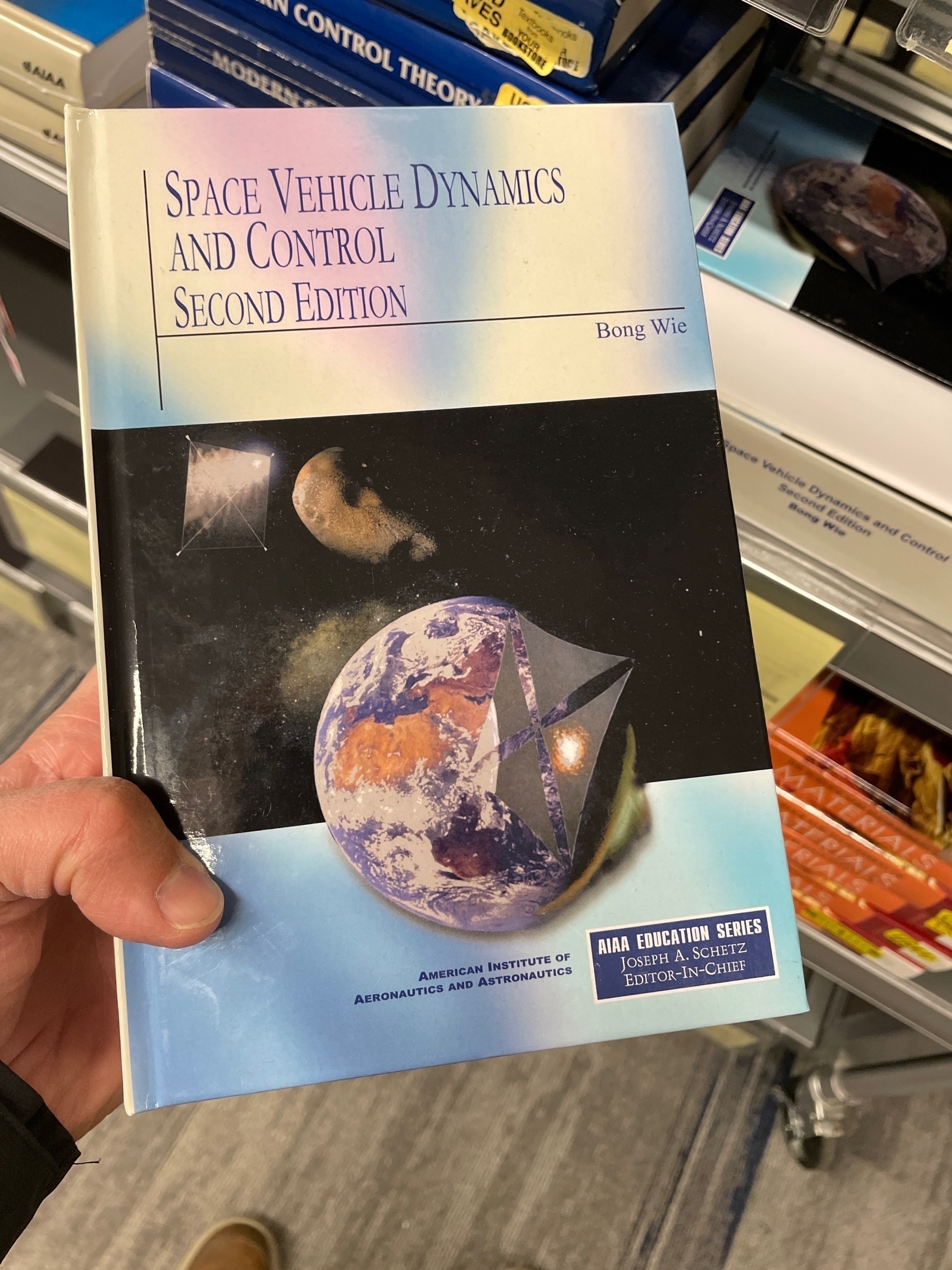
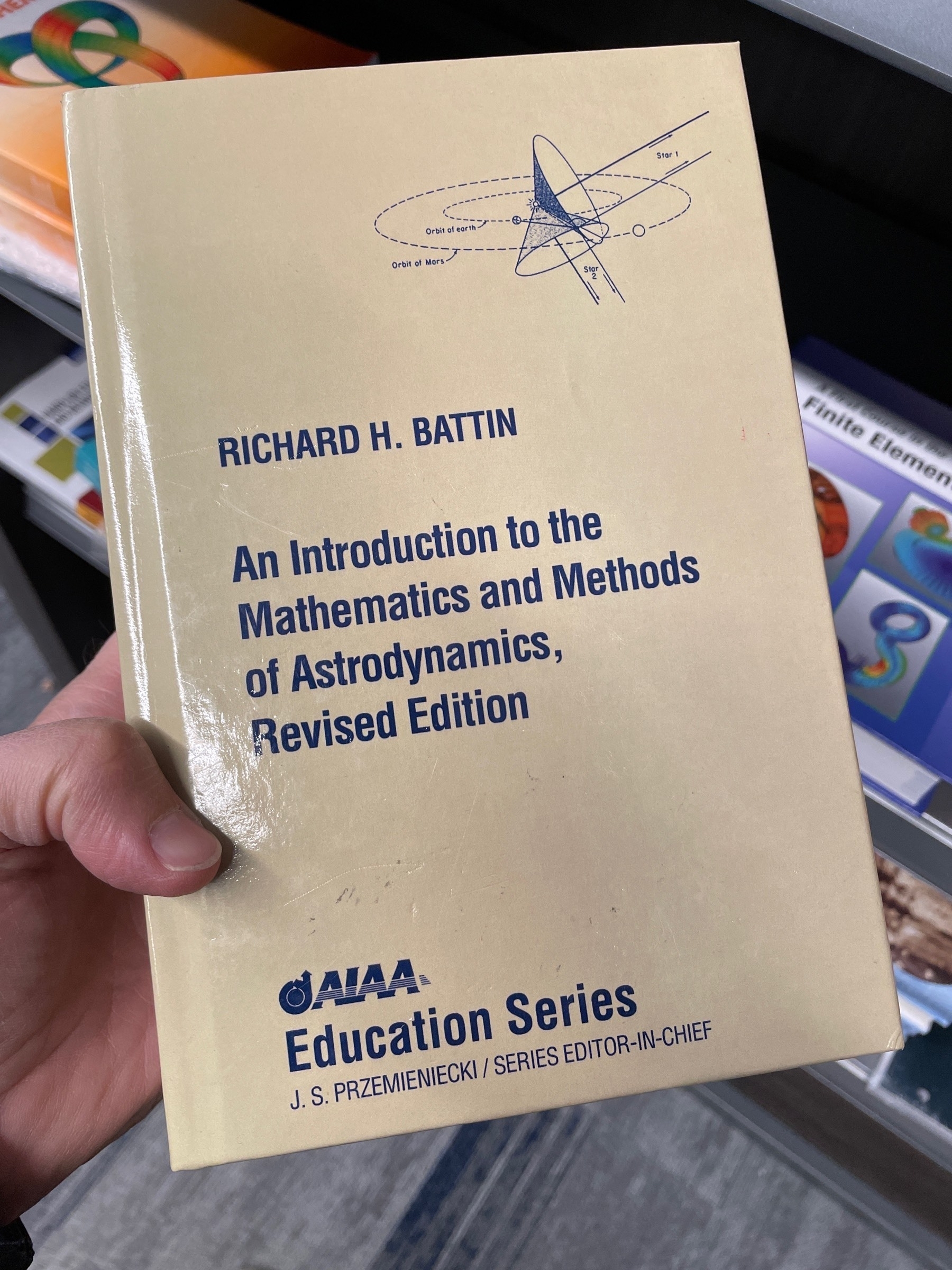
Visiting our niece, who is studying engineering, and taking a stroll through the campus bookstore. 👀

Traveling for work for the first time in nearly two years! Feels kinda good tbh.

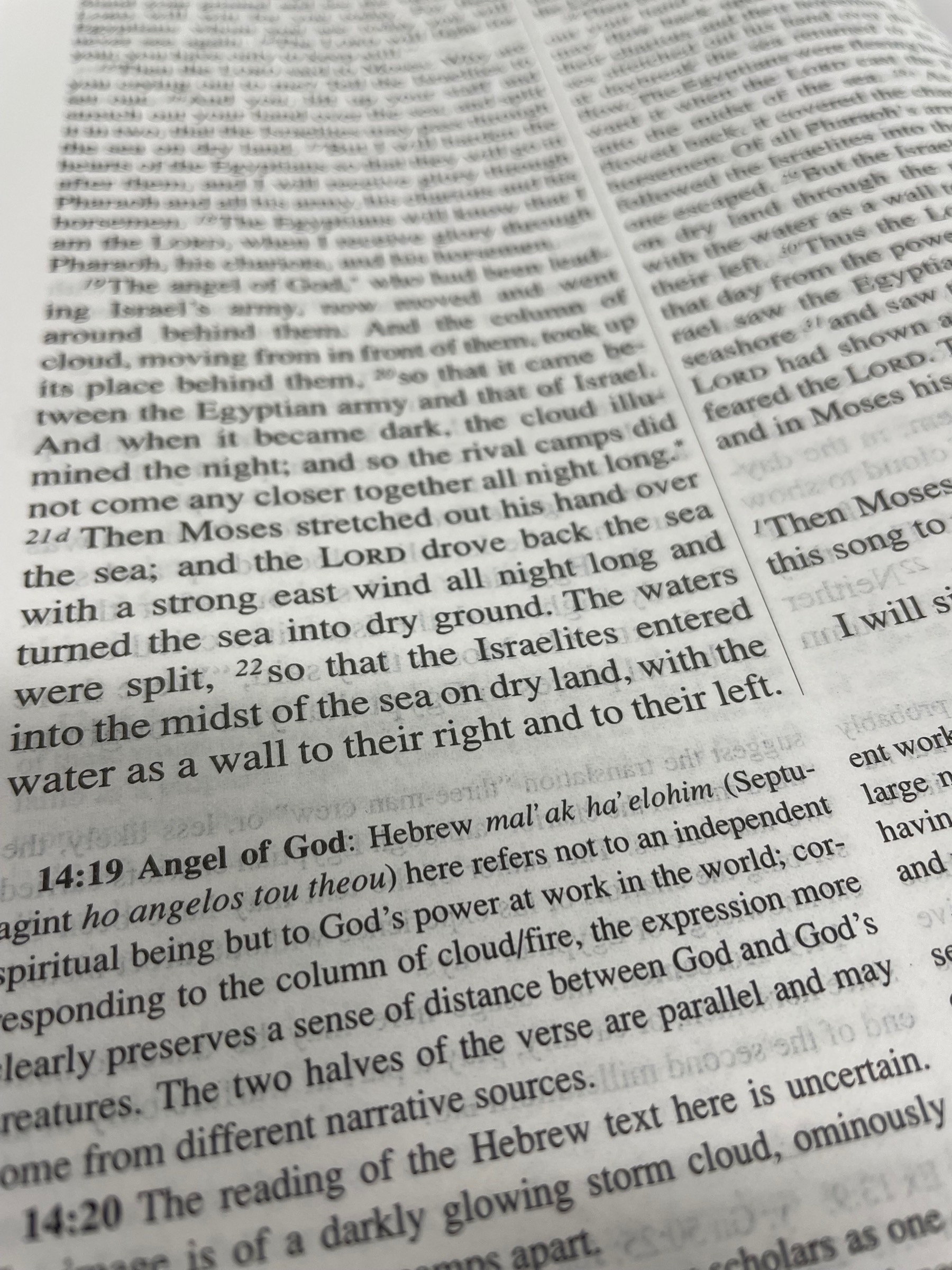
Day 3 of a formation weekend which has focused on OT exegesis.