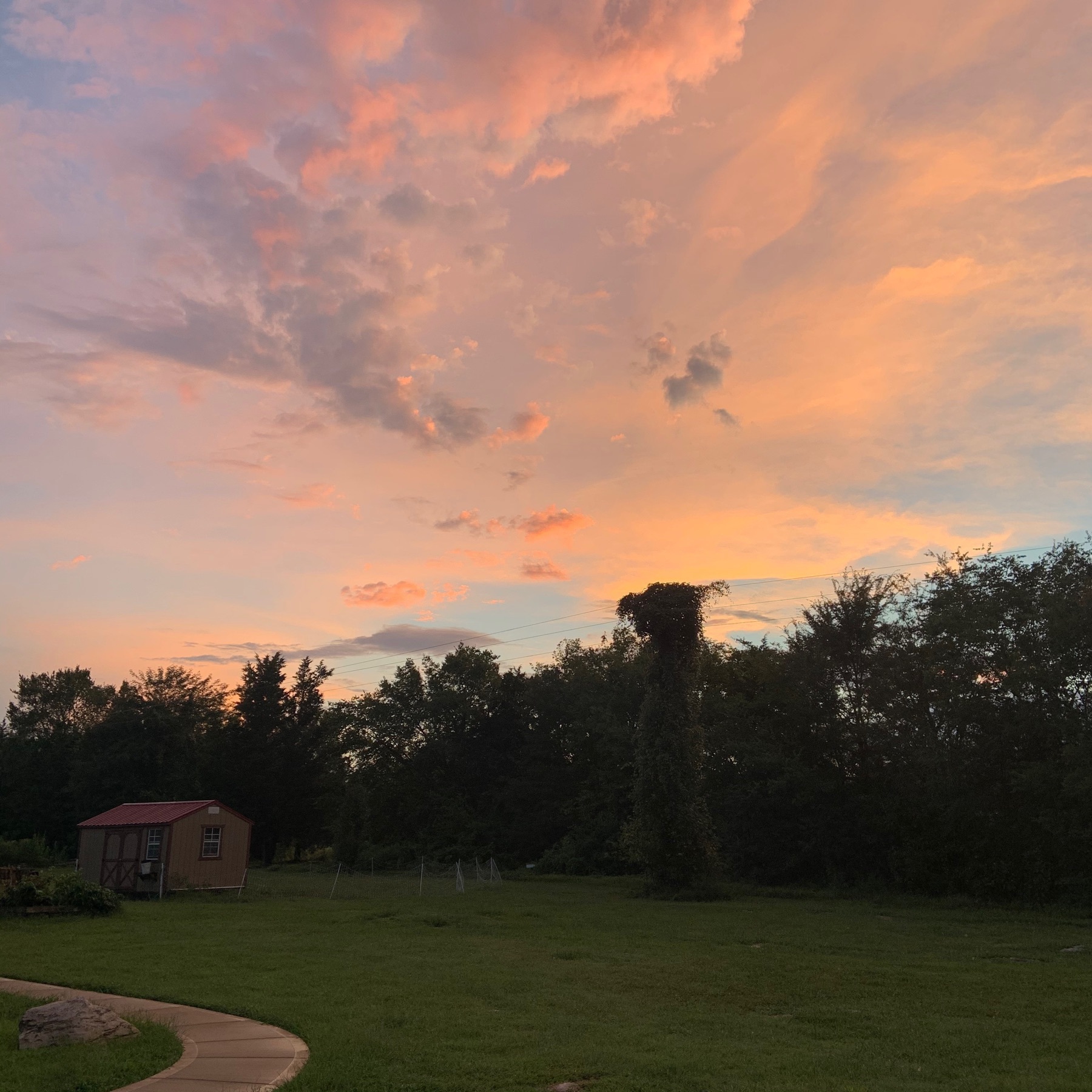
Running haunt
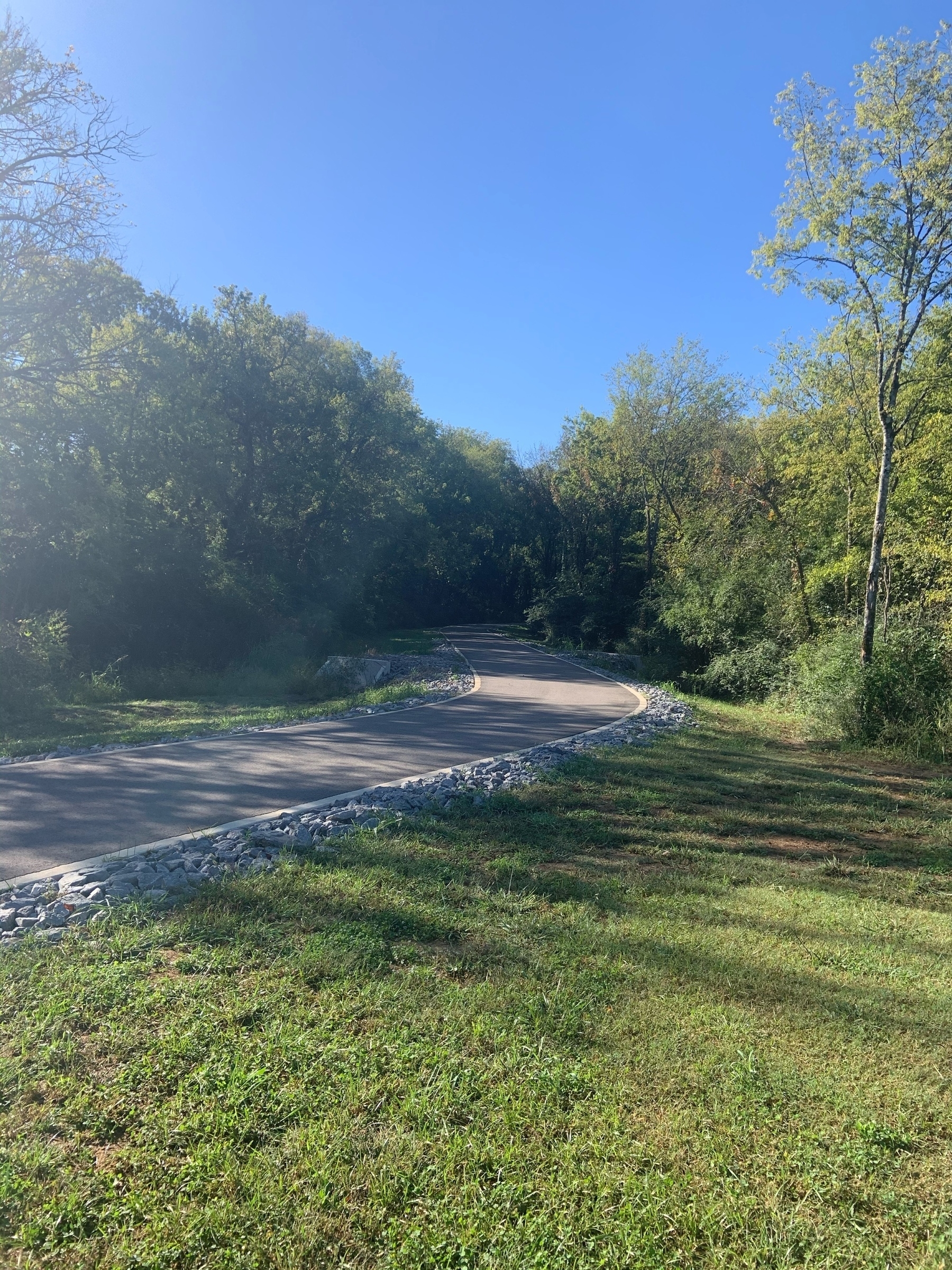
Running haunt
Abba Joseph on friendship, and in particular, the “silent treatment” in the Sixteenth Conference:
But what sort of thing is it that we sometimes think that we are patient because, when we are aroused, we disdain to respond but mock our irritated brothers by a bitter silence or by a derisory movement or gesture in such a way that we provoke them to anger more by our taciturn behavior than we would have been able to incite them by passionate abuse, in this respect considering ourselves utterly blameless before God, since we have voiced nothing that could brand or condemn us according to the judgement of human beings? As if it were words alone and not the will in particular that is declared guilty in the sight of God, and just the sinful deed and not also the wish and the intention that should be considered wrong, and only what each person has done and not also what he wanted to do that should be submitted to judgement.
[…]
It is of no value not to speak, then, if we enjoin silence on ourselves in order to do by silence what would have been done by an outcry…
N.B.: this post contains nothing but amateur radio nerding, so consider yourself forewarned.
This past weekend was the CQ WW RTTY DX contest, which is one of the few contests that I try to do every year. I don't take it terribly seriously - if I can make 100 or so contacts over the course of a casual weekend's worth of operating, I'll take them. I enjoy working RTTY, and the big contests are about the only time I get a chance.
In any case, this was the first contest I was able to use the RSPDx as a pandapter for the FT-450D and it worked a treat. Seriously, seeing all of a band at once was something else, especially with all of the stations up and running all weekend. It looked like the matrix or something. Since I run an all-Linux shack, I spent a bit of time tinkering with various CAT setups until I landed on a good rigctld config that let gqrx and the transceiver steer each other, though I did need a little python widget for gqrx to complete the setup. I let fldigi log to CQRLOG for LoTW and eQSL, but will use fllog's data to submit the Cabrillo file for scoring. Everything ran great. As lovely as CubicSDR is, all I needed was basic visualization, and gqrx picked up the SDRPlay soapysdr libraries just fine.
In any event, band conditions were wonky thanks to a big solar storm that hit us over the weekend, which made for some nice aurora photos but played havoc with HF propagation. Most of my contacts were domestic, but I managed a few good DX contacts: South America, Europe, and getting Hawaii is always fun. I strictly search-and-pounce; maybe next contest I'll try to run if I can find a spot. Getting everything wired together and working well was the main goal this weekend, so mission accomplished.
O God, come to my assistance. O Lord, make haste to help me.
Every hour of the Divine Office begins with this verse from Psalm 69. It's safe to say that we have St. Benedict to thank for that - Chapter 18 of the Rule lays out the plan for monastic Psalmody and it leads right off with these words:
Each of the day hours begins with the verse, God, come to my assistance; Lord, make haste to help me. (Ps 69[70]:2), followed by "Glory be to the Father" and the appropriate hymn.
So it was a thousand years ago and so it is to this day. But why? We have to look back at Cassian again. In the tenth Conference, On Prayer, Abba Isaac concludes his two-part lesson by proposing a 'formula' for cultivating an perpetual awareness of God. This verse, he explains, contains all that is absolutely necessary:
Not without reason has this verse been selected from out of the whole body of Scripture. For it takes up all the emotions that can be applied to human nature and with great correctness and accuracy it adjusts itself to every condition and every attack. It contains an invocation of God in the face of any crisis, the humility of a devout confession, the watchfulness of concern and constant fear, a consciousness of one's own frailty, the assurance of being heard, and confidence in a protection that is always present and at hand, for whoever calls unceasingly on his protector is sure that he is always present. It contains a burning love and charity, an awareness of traps, and a fear of enemies. Seeing oneself surrounded by day and night, one confesses that one cannot be set free without the help of one's defender. This verse is an unassailable wall, an impenetrable breastplate, and a very strong shield for all those who labor under the attack of demons. It does not permit those troubled by acedia and anxiety of mind or those depressed by sadness or different kinds of thoughts to despair of a saving remedy, showing that he whom it invokes is always looking upon our struggles and is not detached from his suppliants. It warns those of us who are enjoying spiritual successes and are glad of heart that we must never be exalted or puffed up because of our good fortune, which it testifies cannot be maintained without the protection of God, for it begs him to come to our aid not only at all times but also quickly.
Abba Isaac beautifully explains why these words answer to all parts of the human condition, concluding with the exhortation to:
Let sleep overtake you as you meditate upon this verse until you are formed by having used it ceaselessly and are in the habit of repeating it even while asleep. Let this be the first thing that comes to you when you awake, let it anticipate every other thought as you get up, let it send you to your knees as you arise from your bed, let it bring you from there to every work and activity, and let it accompany you at all times.
It's such a short phrase; we may be tempted to pass right over it rather mechanically as we begin our prayer. It seems well worth lingering over in the moments between prayer, in times of difficulty or joy, frustration or elation, for it simultaneously acknowledges our dependence on God and our confidence in His love and boundless mercy. These aren't "magic words" - they're the cry from a child's heart to a loving parent! In them, we express our surrender and deepest desire: Come, Lord Jesus!
The full trailer for Dune has finally dropped.
Waxing gibbous cat

Two briskets rubbed down and ready for the smoker tomorrow. Mesquite at the ready. Weather looking good. All systems go.
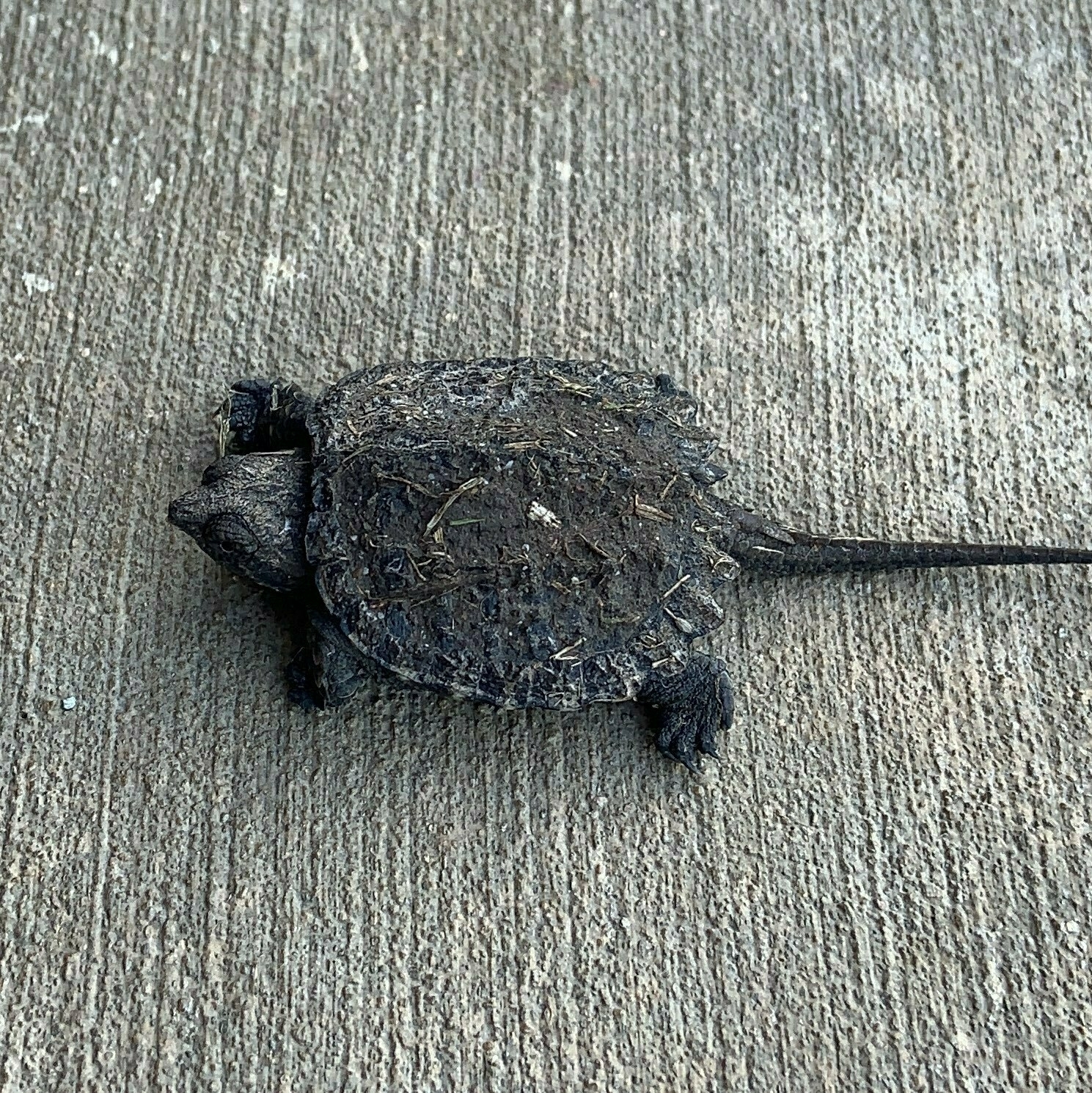
We just found a baby snapping turtle on our back patio. This was a surprise, since there aren’t any rivers or lakes within small-turtle-schlepping distance. Maybe he was dropped by a bird. He’s safe in a bucket and will be trundled to the river a few miles away.
Still chewing on discernment, and found this great essay by Sister Benedicta Ward which was very, very helpful. Discernment, as I originally thought, is closely related to prudence, though it would seem to be immediately prior to it. If prudence helps us to make the right decision, at the right time, and for the right reasons, discernment serves to first seek out the will of God. We can only do this if we escape the trap of mistaking our own will for His; this in turn requires first emptying the self. In short, humility.
Sr. Benedicta:
This [humility] is a refusal to exercise the judgement which condemns others, that killing self-assertion that was the cause and result of the Fall and which continues to damage relationships with God and with others. This itch to condemn by our judgement can be transfigured into discernment which sees only the mercy and goodness of God in others. The way to allow this 'right judgement in all things' to be formed is through humility of heart which in practice involves a consistent refusal to exercise that self-assertion which forms hostile and negative judgements against the neighbour. The true 'judgement' of others which is discernment is the God's eye view, which is always positive: as the Cloud-author puts it, 'Not what thou art, nor what thou hast been seeth God with his merciful eyes but what thou wouldst be'.
Motes and beams, right? Echoes of St. Catherine of Siena, who wrote in The Dialogue
For you cast contempt on your neighbors when you pay attention to their ill will toward you rather than my will for them.
In other news, I've taken Twitter off my phone (again), and have taken the additional steps of blocking several of my reflexive go-to news sites at my workstation. I can't say I've left Twitter completely, though I've pared my following-list to exactly 100 accounts that cover mostly local information (government, weather, and so on) and a handful of other hams I've come to know online. Brands and personalities are gone. Ditto for what remains of my Instagram account: stripped down to family only and set to private. RSS feeds are again on the ascent for me, so that's going to be it for awhile. Hopefully forever.
Maxfield Parrish evening