Early into Cassian's Conferences

Have you ever read something so carefully that it comes back to you while you're sleeping? This is happening now with Cassian. I take this to be a good thing, and have been ruminating on the following bits from the first two Conferences so far:

First, as I posted the other day, our disciplines, plans, vigils, and other actions should (indeed, must) take second place to the law of charity. Whatever good we sought in prayer will be far outweighed by the anger we experience if we're interrupted by the good and necessary things around us. Our plans for the day may come to nothing; we will still encounter the Risen Christ in the everyday moments, and the moments-between-moments that we hardly notice. This ought to go without saying, but how many times have I thrown down my breviary, angry because something interrupted my plan for the moment? And that something was a child? Or a request from my wife? The whole of The Law and the Prophets comes to two sentences; I would do well to remember them early and often.

Second, Abba Moses addresses the distractions and thoughts that come to use while at prayer. While we may not be able to control the thoughts that come into our heads, we can certainly control our reactions to them. We can also influence the things that come into our heads by controlling what surrounds us the rest of the time, when we're not at prayer.  The impact of this on our social media diets should be fairly obvious. In case it's not, here's my hot-take: social media is a raging trash fire. The less you use it, the happier you will be.

I'm still chewing on the meaning of discretion in the second conference. I had initially thought it was synonymous with prudence. I don't think that's the case and need to do some more reading and thinking. It seems to be closer to discernment. We could all do with more discernment.
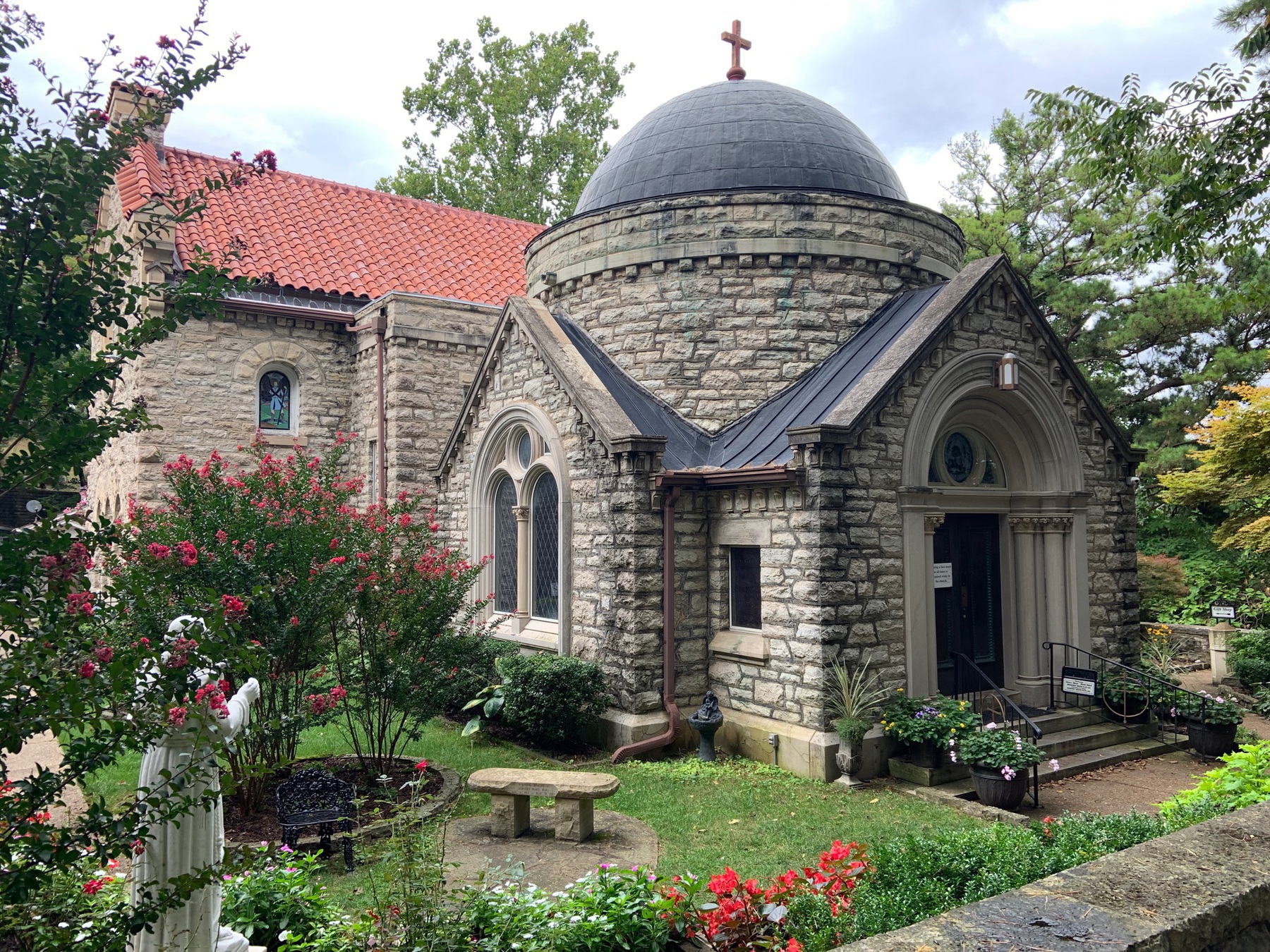
St. Elizabeth of Hungary Catholic Church, Eureka Springs, Arkansas

What is gained by fasting is less than what is spent on anger

From the first Conference of John Cassian, In a meeting with Abba Moses, the Abba says

…If perchance we are unable to carry out some strict obligation of ours because we are prevented by some good and necessary business, we should not fall into sadness or anger or indignation, which we would have intended to drive out by doing what we omitted. For what is gained by fasting is less than what is spent on anger, and the fruit that is obtained from reading is not so great as the loss that is incurred by contempt of one’s brother.

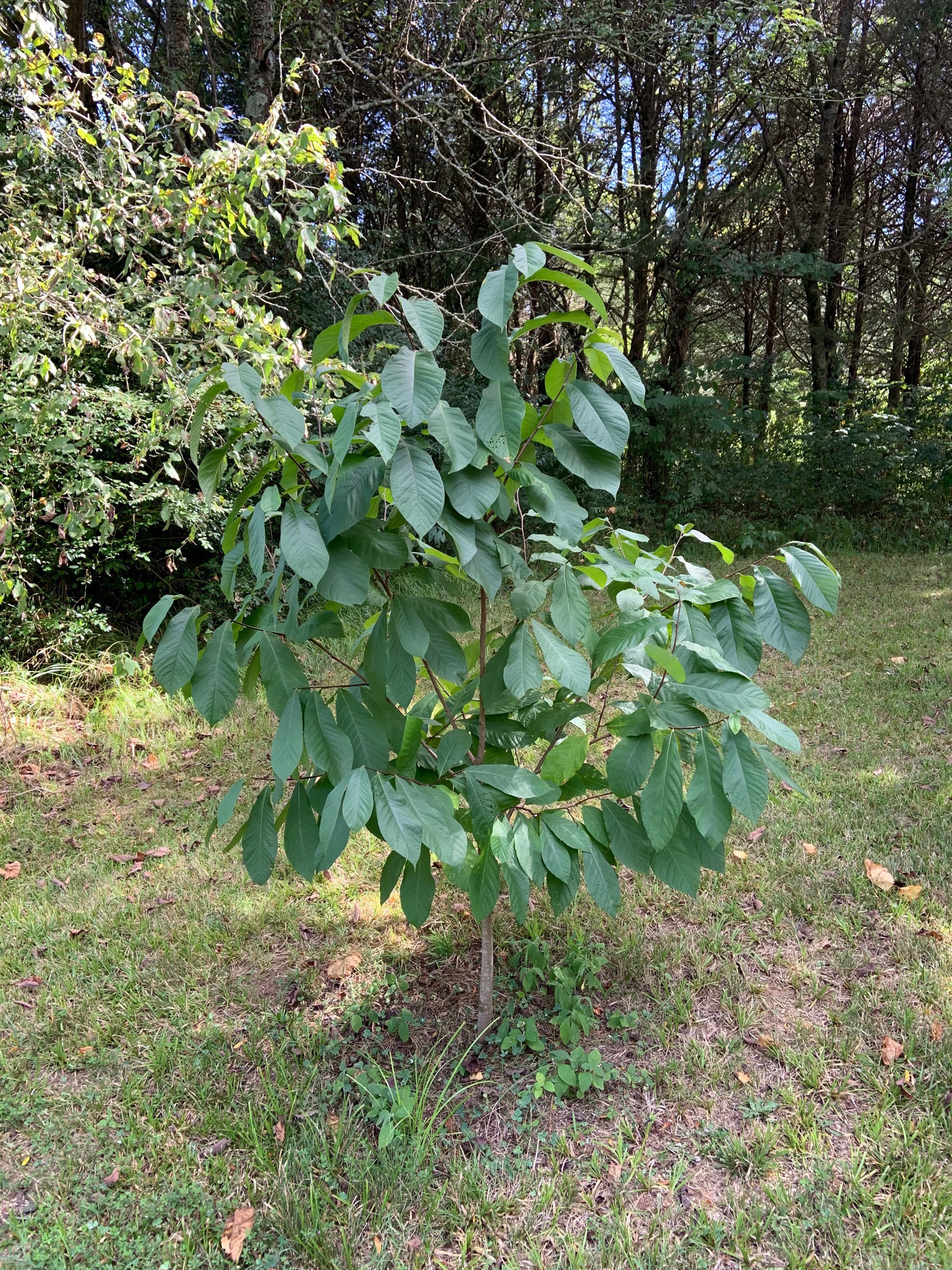
Have you ever seen a pawpaw tree? Now you have. Pawpaws are a fruit tree native to North America and were fairly well-known a generation or so ago. The fruit doesn’t keep for long after it’s picked, so they’ve never been much of a commercial crop. I’ve heard that pawpaws sometimes show up at farmer’s markets. We planted this one a couple of years ago and it seems to be doing pretty well - it’s nearly as tall as I am. Hopefully it will fruit in a year or so but I may need to add a second one. Its principal pollinators are flies, so the blossoms are described as a bit on the stinky side. This one is planted well away from the house.

The fruit is said to be delicious - a cross between mango and banana, with a creamy custard-like texture.

An amateur naturalist's favorite mobile apps

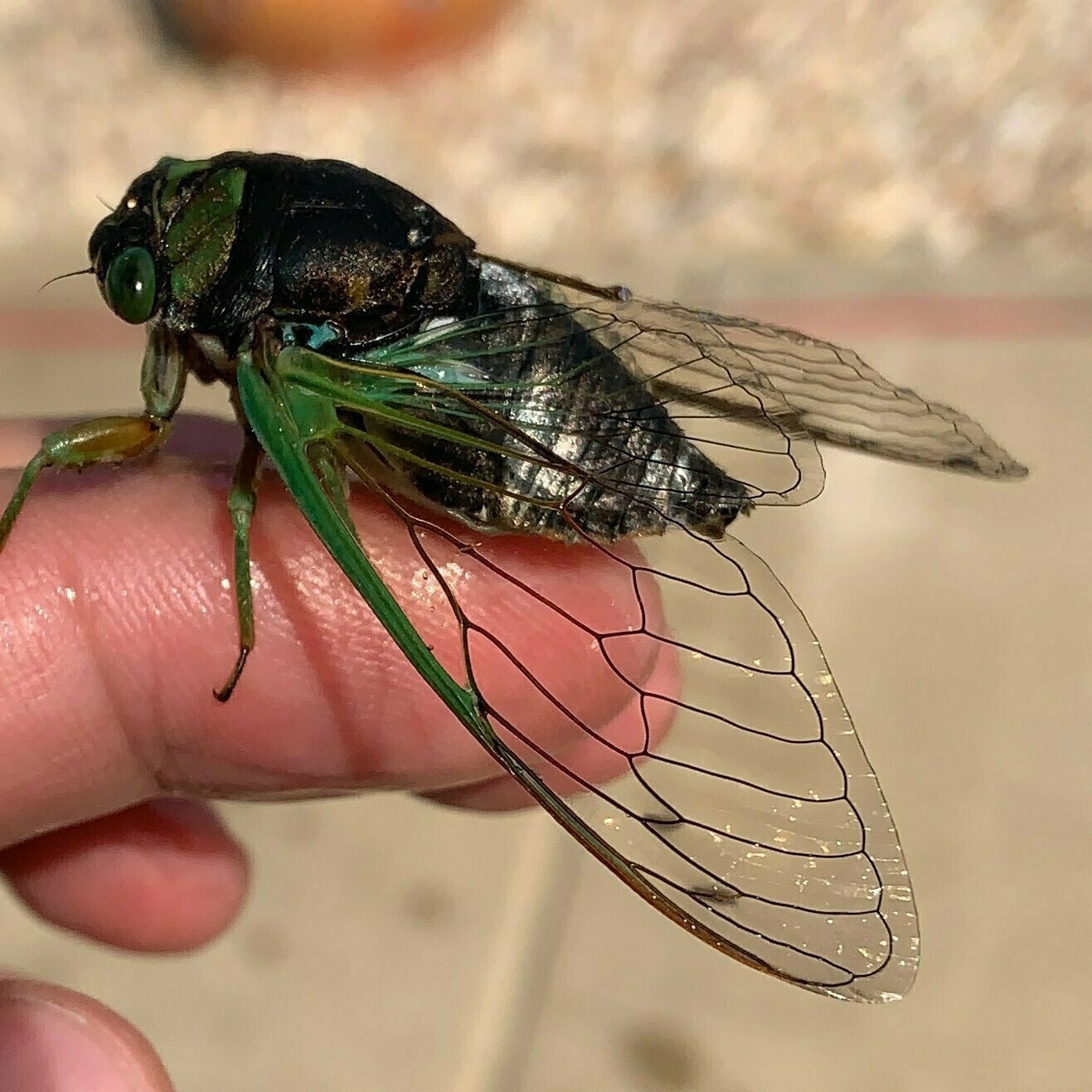
Seek: for identifying (via live camera or still photos) of insects, birds, spiders, reptiles, amphibians, plants, fungi, and anything else you might find in your yard or on a hike. The regular challenges are fun too. Every person I've introduced to this app has gone completely gonzo. Remember how much of a blast PokemonGo! was a few years ago? This is just like that, except with real things all around you.

Skyview: I paid a couple of bucks for the full version, and use this at night for ID'ing stars, planets, and satellites.

Merlin Bird ID: By the Cornell Ornithology folks, you answer a few questions about a bird you saw (size? colors? what was it doing?) and it makes a pretty good guess of what it was. The same lab publishes a beta app for Android that identifies specific bird calls via microphone. My brother showed me this and I nearly jumped from iOS.

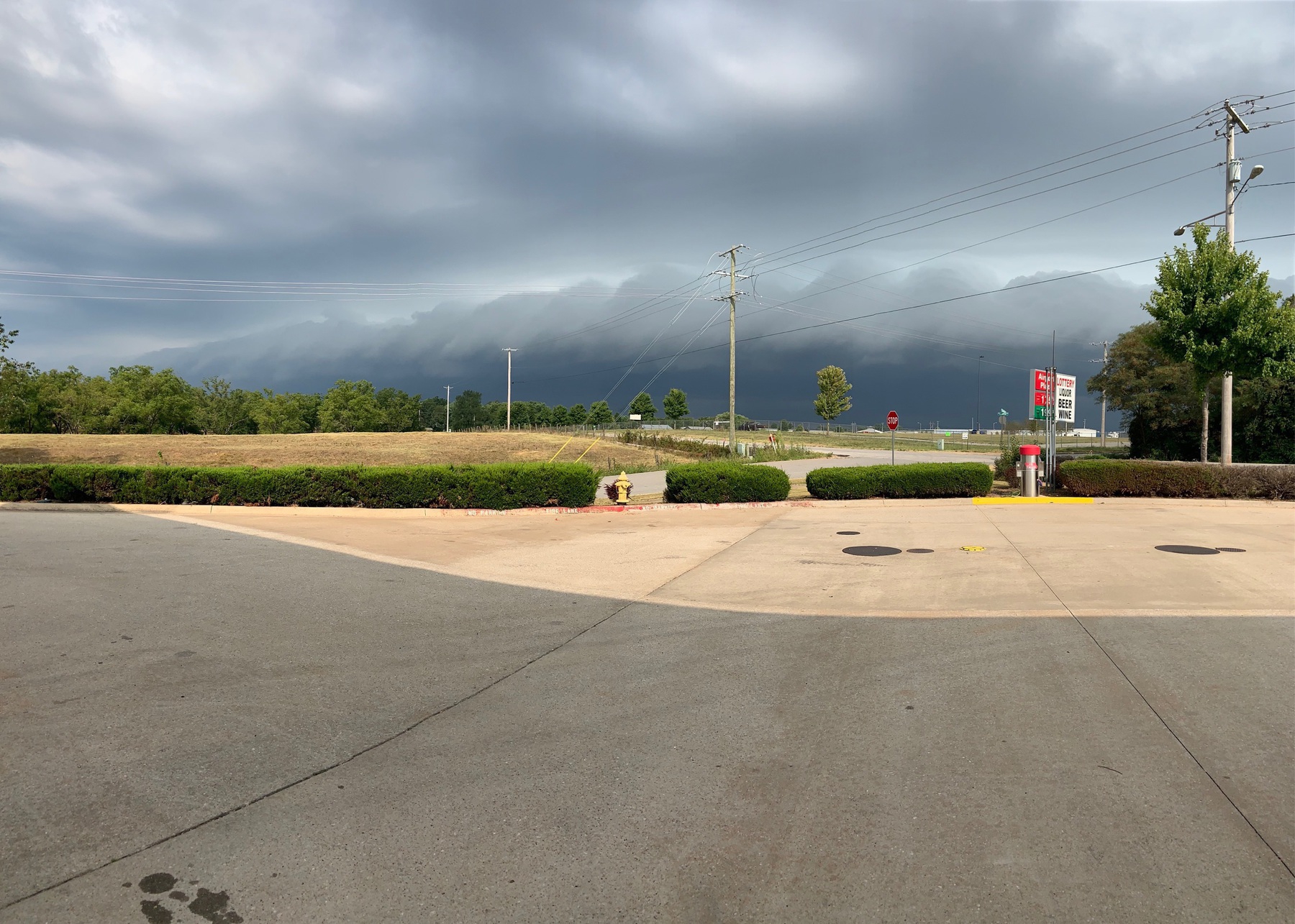
Theodolite: Camera/ARG app for measuring angles, bearing, distance. I use this when I'm eyeballing distant thunderheads and matching them up with I can see on the weather radar websites.

BlitzortungLive: Blitzortung is a crowdsourced global lightning detector. Volunteers run the pi-based detector hardware and strikes are immediately triangulated and put on a map. The live app updates pretty quickly, but sometimes there's a few seconds of lag between a bolt you see and its appearance on the map.

Runner-up: Rockd, which tells you all about the geology you're standing on.


Walker Percy

I have since finished Love in the Ruins and The Thanatos Syndrome. They were great. Love in the Ruins is an interesting product of its time - an end-of-the-world novel written in 1971 that's set somewhere in the imagined 1980s. It holds up pretty well to be honest, with a sort of semi-dark hilarity that's definitely reminiscent of contemporary movies and TV shows - think M*A*S*H (the movie). The political predictions alone will make it worth revisiting. Maybe certain predictions didn't land as well as jokes because, lo, they've basically come to pass.

The Thanatos Syndrome is a sequel inasmuch as it features the same main character (and several others) but it stands on its own and you needn't have read the other book first to enjoy it. I remember reading it, probably in college, based on the title and general conspiracy-plot description. The Catholic elements completely escaped me at the time, so it was well-worth revisiting. Have re-tackled the adventures of Dr. Tom More, Louisiana psychiatrist and self-described terrible Catholic, I'm probably going to add The Moviegoer and Lost in the Cosmos to the bookshelf soon.

As it is, I'm done with my fiction break and diving back into spiritual reading: The Conferences of John Cassian. I bought a copy of it on Amazon only to find out afterward that it's a selection of nine conferences and not the complete set. The introductory material is terrific, though, so I'm reading it while waiting for a full edition to arrive. And it will arrive just in time - we're about to hit the road for a funeral in the Ozarks and some meaty reading will be an extremely welcome distraction.

I seem to keep gravitating to the mystics and monastics - Bernard of Clairvaux and before that, Catherine of Siena. The Rule of St. Benedict. The Daily Office. What has this quarantine been but a sort of monastic enclosure of circumstance, where we live in community, occasionally receive guests, pray, and go about our daily work? Where we meet God in the ordinary moments of the day, in those others before us, and reflected in created beauty? Where, if we are honest, we fail, and seek the grace to rise again, and hasten along the path? Where we listen?

Migrating from jekyll

So I migrated over from github’s pages, which meant I had all of my old markdown posts stored locally. I had asked the micro.blog support folks about migration awhile back and was directed to a nifty little import script which used nodejs. But lo, in the meanwhile, an import button had showed up!

I still needed to insert the date into the frontmatter. My old posts had the date pre-pended to the filename (ie, 2020-01-08-some-title-here.markdown), so after bashing (har) my head against the wall for awhile, I came up with this, which cuts the leading date fields off the file and jams it into place at line 3. Hooray for Unix.

for i in `ls *.markdown`     
do
    sed -i "3a\date: `ls $i | cut -d- -f1,2,3`" $i
done

So I went from this at the top of every post:

---
layout: post
title:  June Update 
---

to this, which was slurped in beautifully:

---
layout: post
title:  June Update 
date: 2020-07-02
---

Yes, there are other ways to do this. Go nuts. This worked for me. I zipped everything up afterward and had all my old posts moved over lickety-split.

June Update

I just finished Paul Elie’s The Life You Save May Be Your Own, which traces the respective biographies of Flannery O’Connor, Thomas Merton, Dorothy Day, and Walker Percy into a beautiful and engaging story of a particular moment in American Catholicism. Merton and Day’s stories I already knew, having read The Seven Storey Mountain and The Long Loneliness some time ago. O’Connor I knew from studying Southern Lit in college and working my way through her complete short stories, collected letters (Habit of Being, published posthumously), and Wise Blood. Percy I knew only sort of obliquely. I read The Thanatos Symdrome in high school or maybe college, intrigued by the general plot but missing buy a country mile any sort of religious threads. I should probably
add it to the on-deck list along with Love In The Ruins.

As it is, I’ve got The Violent Bear It Away and the selected writings of St. Bernard of Clairvaux on the way. Also a guide on identifying wild edible plants, which has become sort of interest of mine recently. Off the top of my head, I can think of the following things growing in and around our yard which are said to be edible if not actually tasty: prickly pear cactus, red mulberry, blackberries, American persimmons (male trees which will not fruit), Passionflower vines, elderberries, and (if you can get them before every bird) black cherries. There’s plenty of wood sorrel and I’d wager purslane somewhere if I knew what it looked like.

I woke up with some terrible stomach cramps today. They seem to be on the way out, but it’s telling that in trying to figure out their cause, my wife looked at me archly and asked whether or not I had eaten anything I’d had found in the yard. The answer was no, if you were wondering.

So - we’ve had a fair amount of rain lately and the gardens are growing like crazy. The peppers look very promising and, mirabilis dictu, we’re keeping up with the zucchini production. I’ve been meaning to get some pumpkin hills planted so that we might have pumpkins by October. Maybe over the holiday weekend. As it is, we’ll be well-supplied with weird gourds. Several from last year were thrown into the compost heap and they’ve grown like Audrey III. I don’t think we can eat them or do anything but look at them, but they’re growing so well I don’t have the heart to pull them up.

RCIA-wise, I have taken over the neophyte year meetings, which we’ve been doing over Zoom. We do them monthly; the next session is coming up and I need to start preparing for a discussion on prayer.